Conservation Education
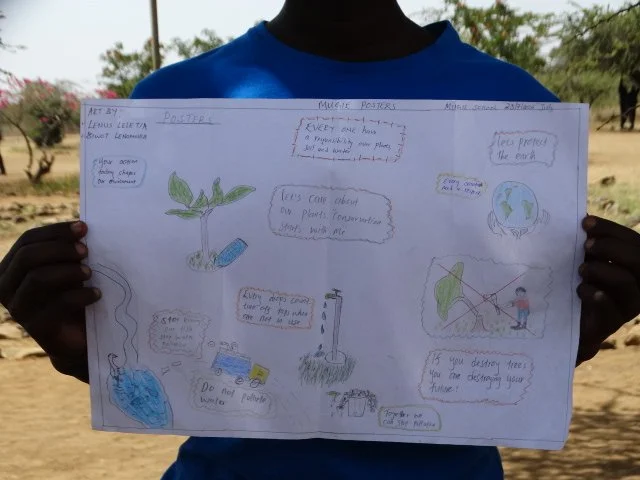
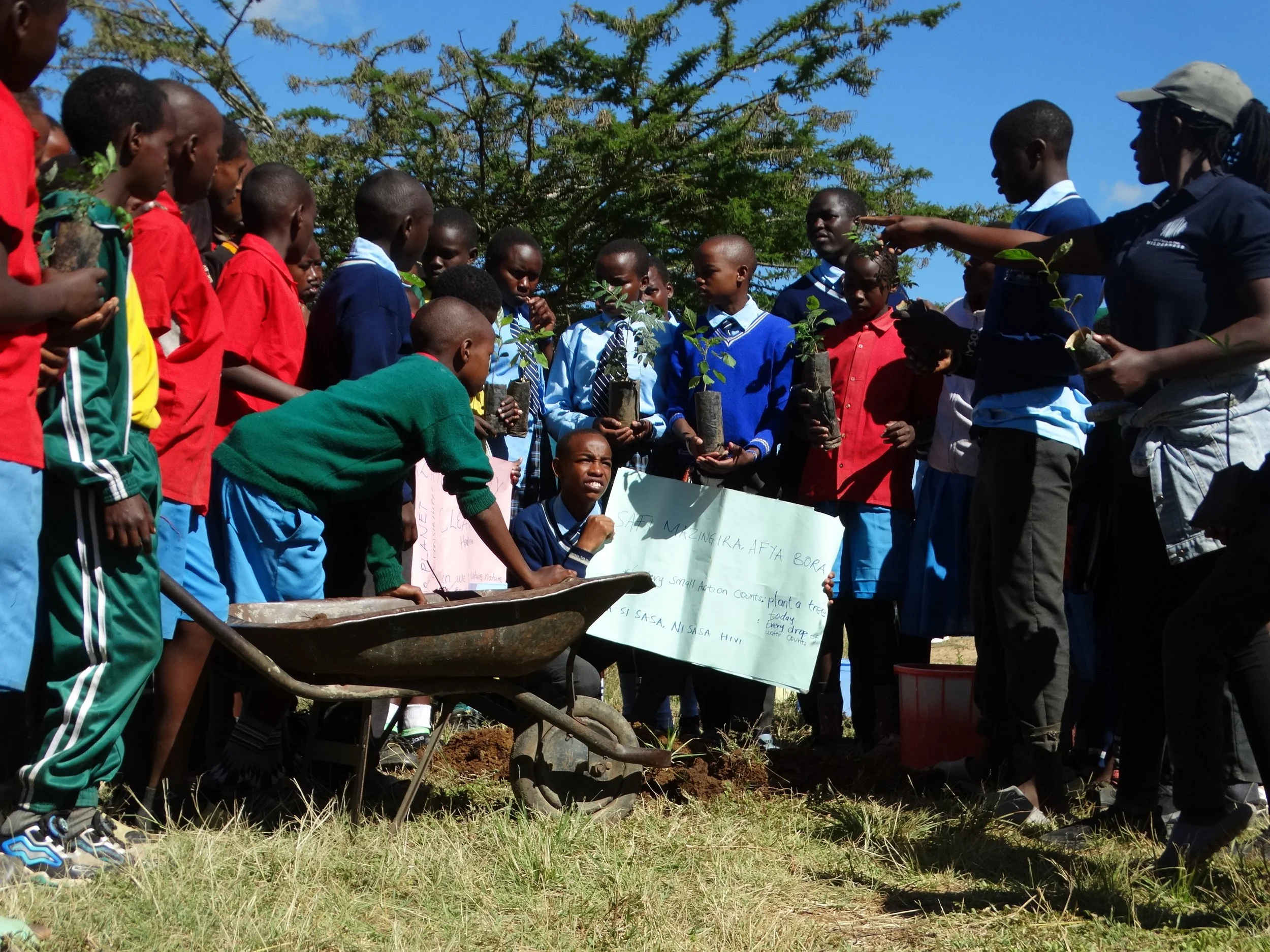
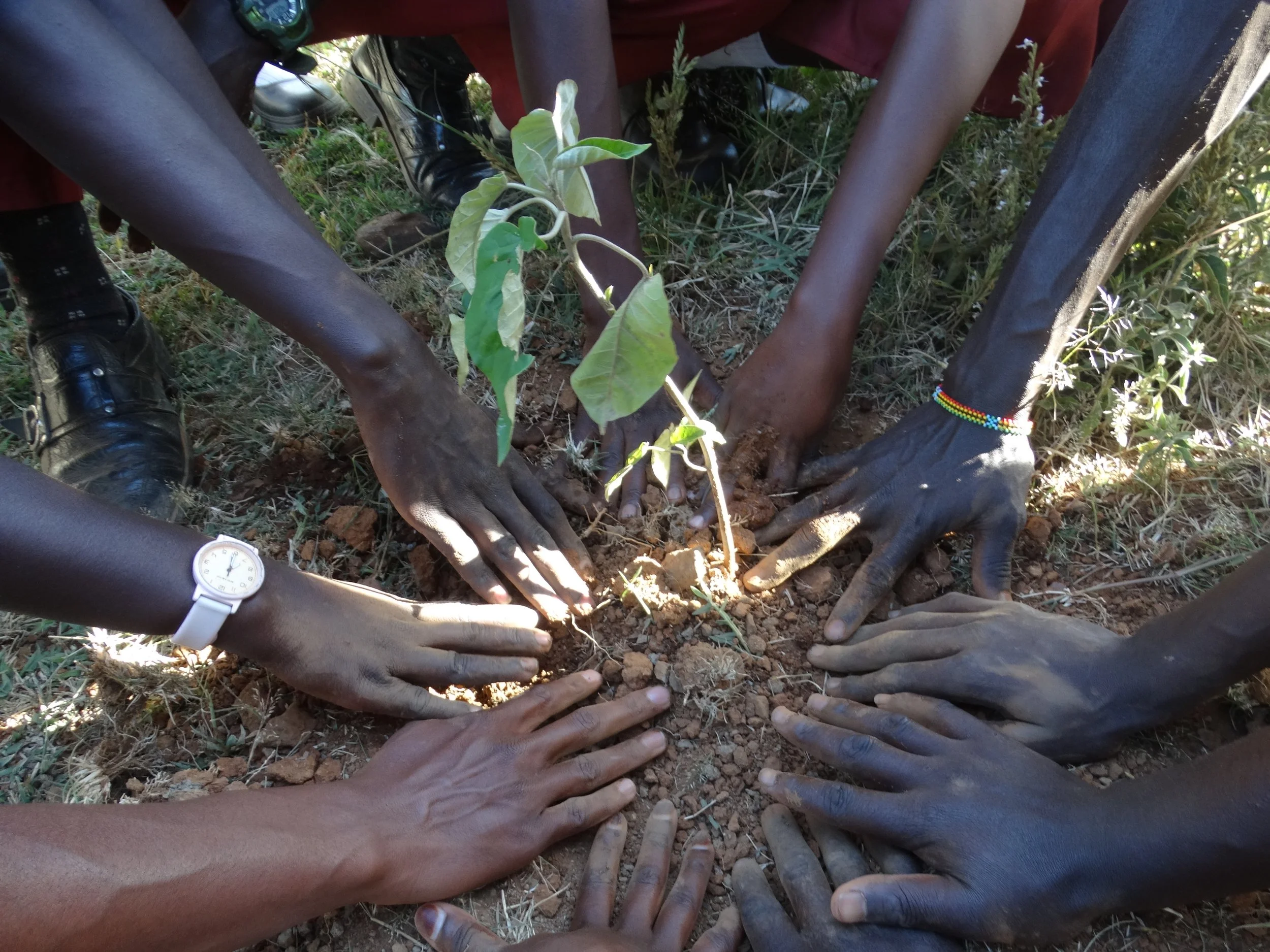
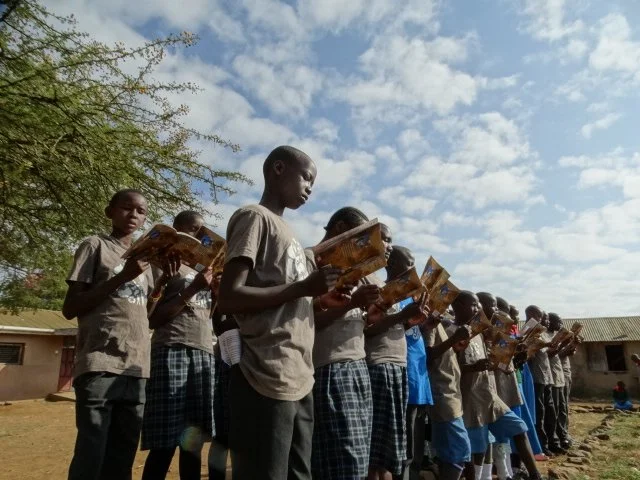
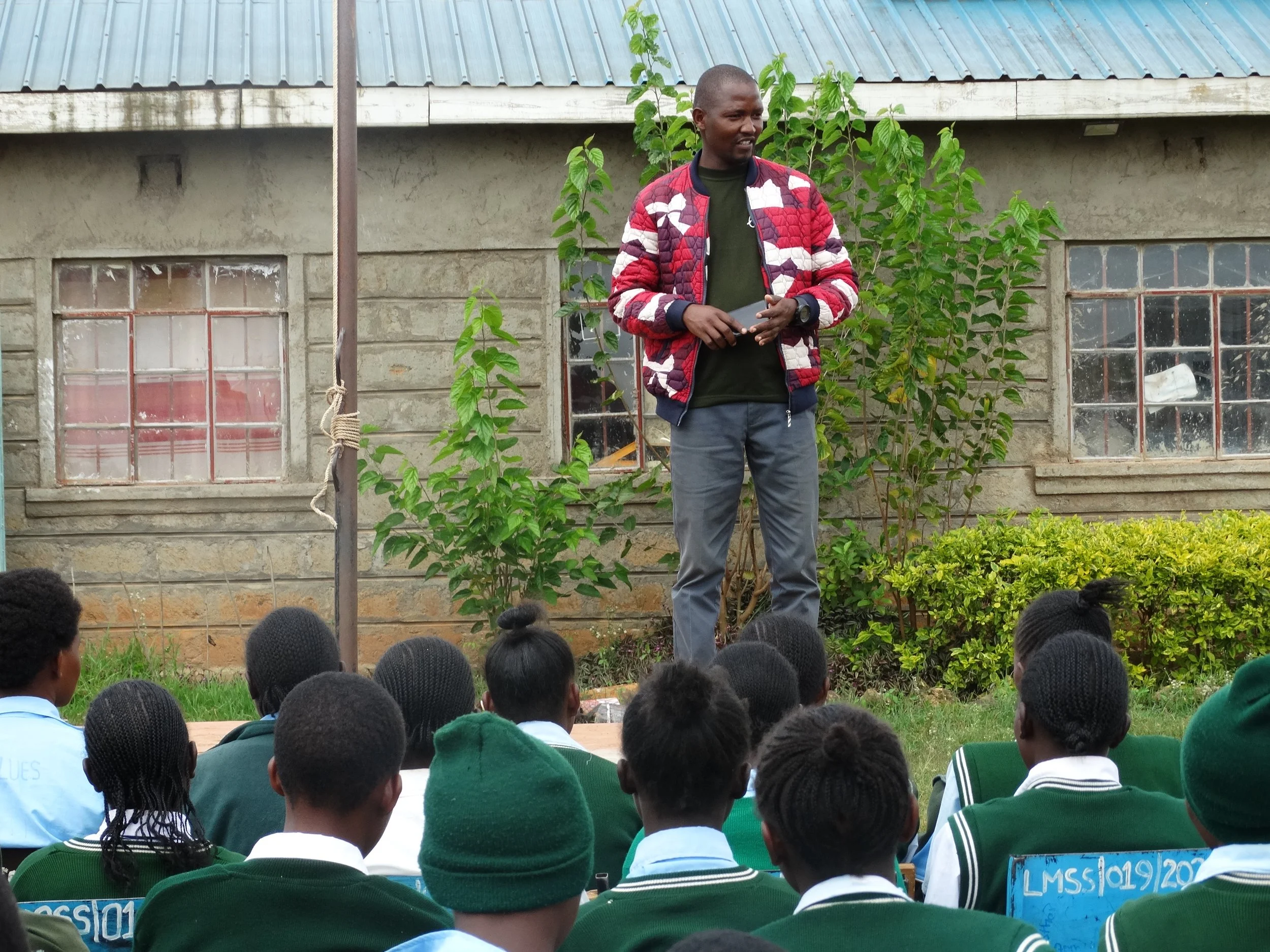
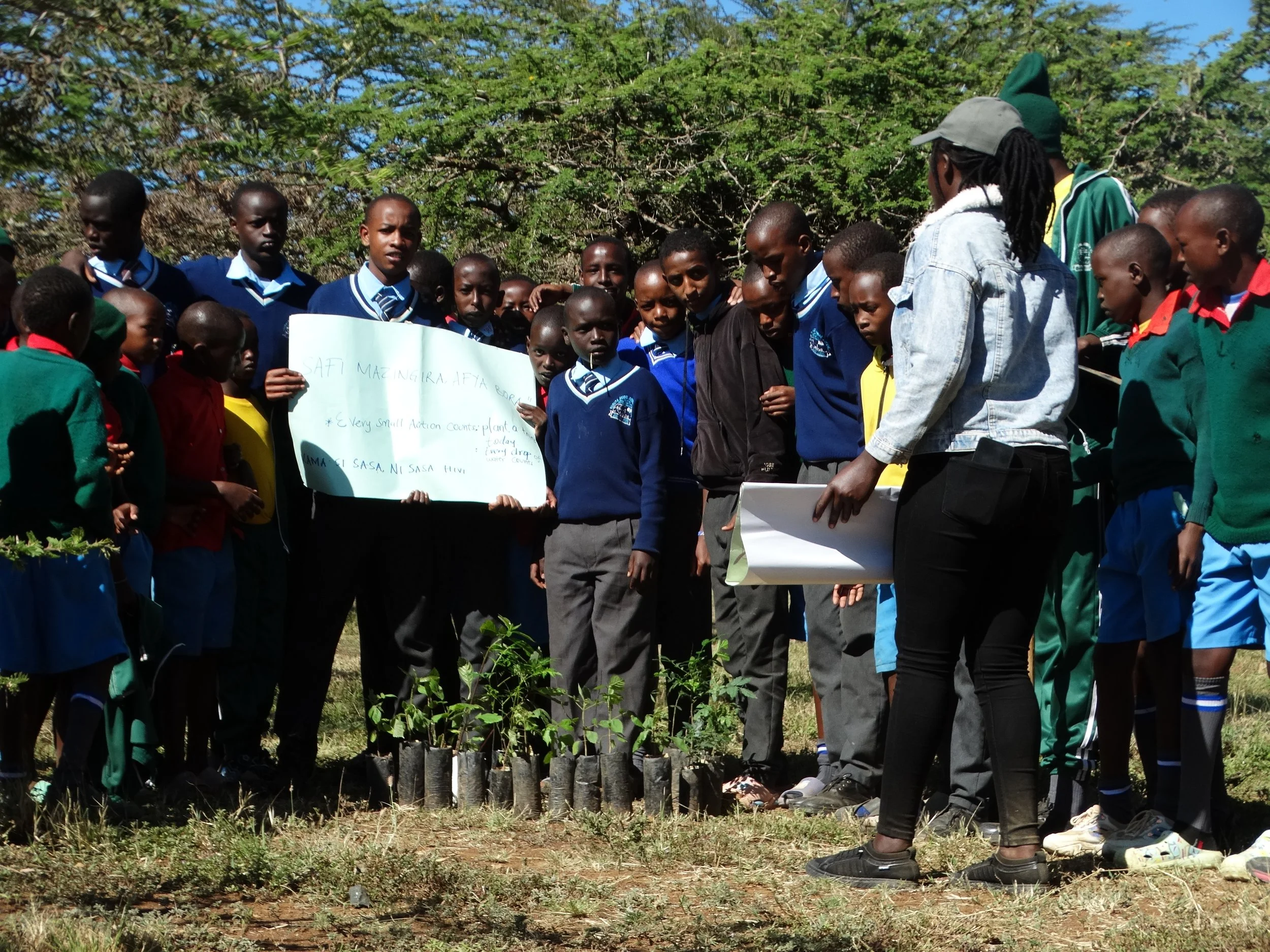
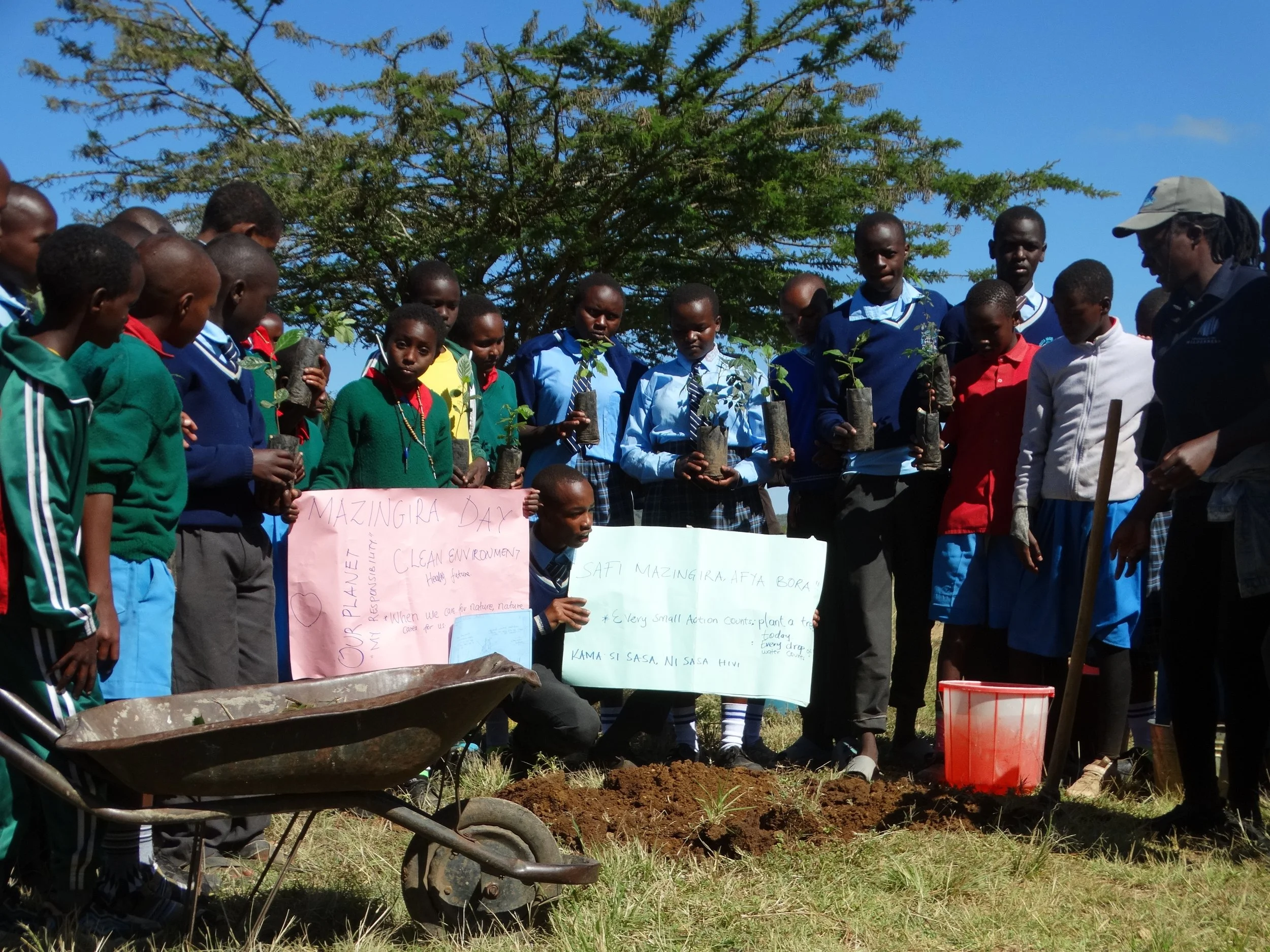
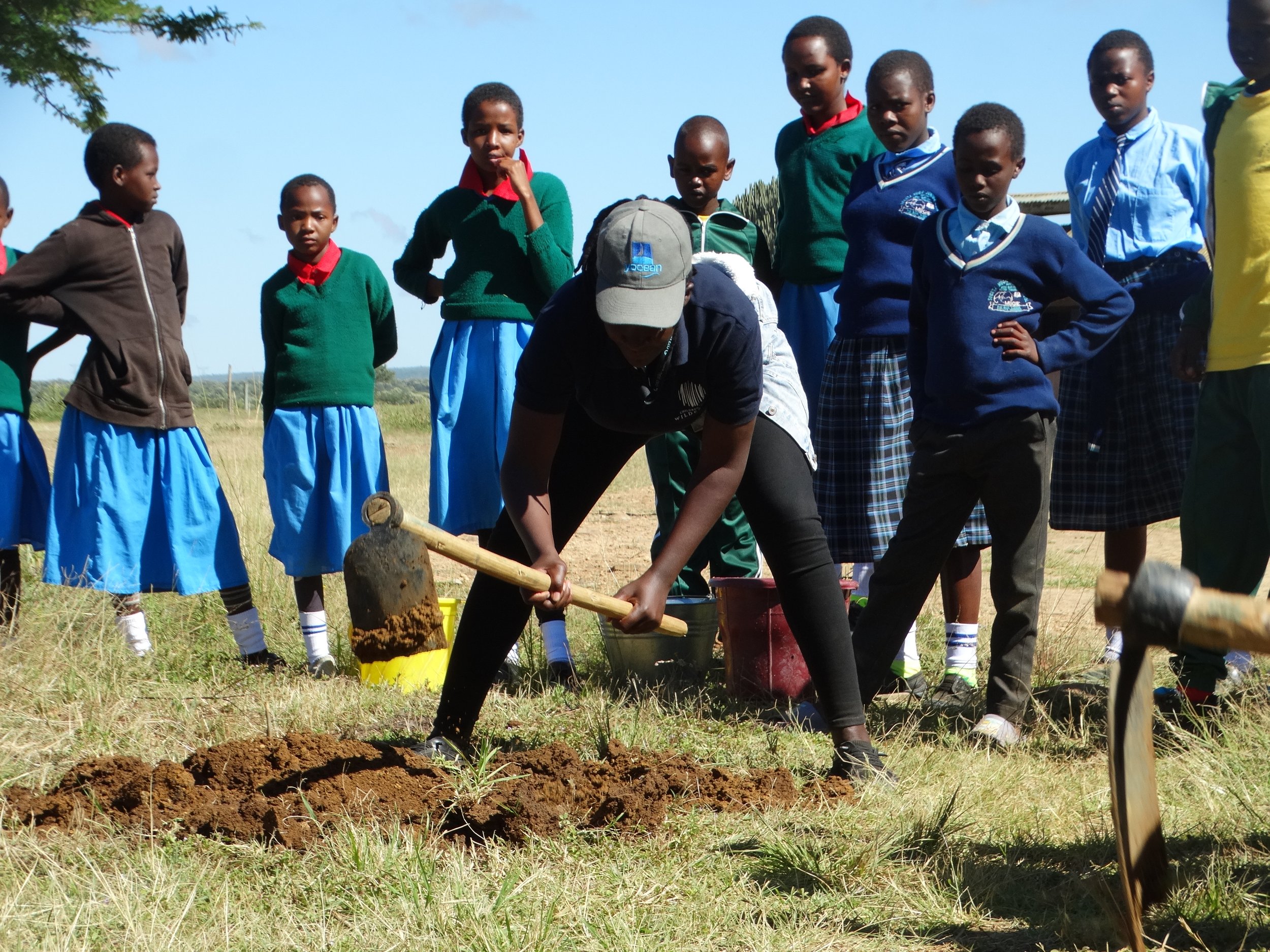
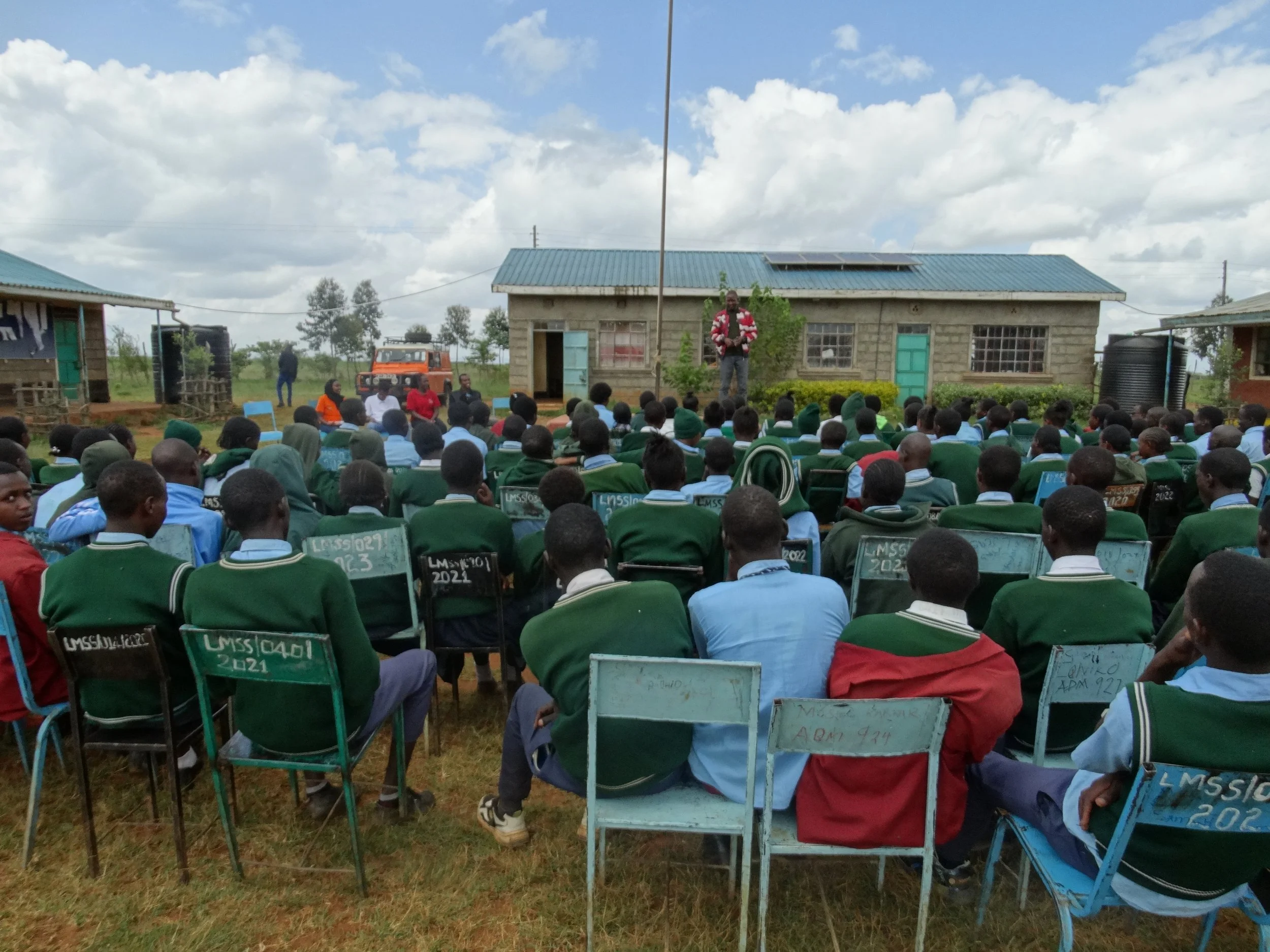

Mugie's Conservation Education Programme aims to build environmentally conscious, healthy young people across Mugie's neighbouring schools through conservation, health and wildlife education. By combining practical projects with real environmental exposure and cross-community engagement, it seeks to grow a generation that values conservation, wellbeing and peaceful coexistence.
Conservation education isn't only carried out in the field it's taught, shared and passed down, one classroom, one walk, one conversation at a time. Across Mugie, that happens in a handful of different ways.
Eco Clubs
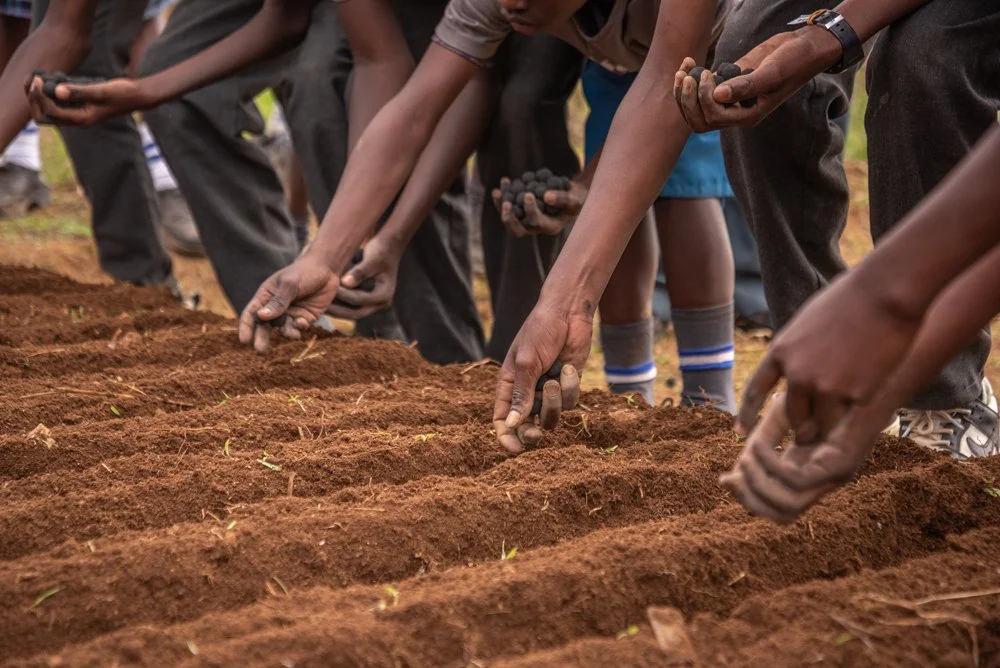
In partnership with Children in the Wilderness (CITW), Mugie runs a growing network of Eco Clubs, giving local students hands-on exposure to conservation and the ecosystem right on their doorstep. At Suguta Mugie Primary School, a club of 30 students meets regularly to learn, explore and get involved. At Logorate Primary School, that hands-on learning has taken a very tangible form: a school beekeeping project with 25 hives of its own, teaching students the same skills powering Mugie's community beekeeping programme. The impact reaches beyond the classroom, too. Through Louniek Secondary School's Eco Club, seven students have been awarded scholarships from CITW.
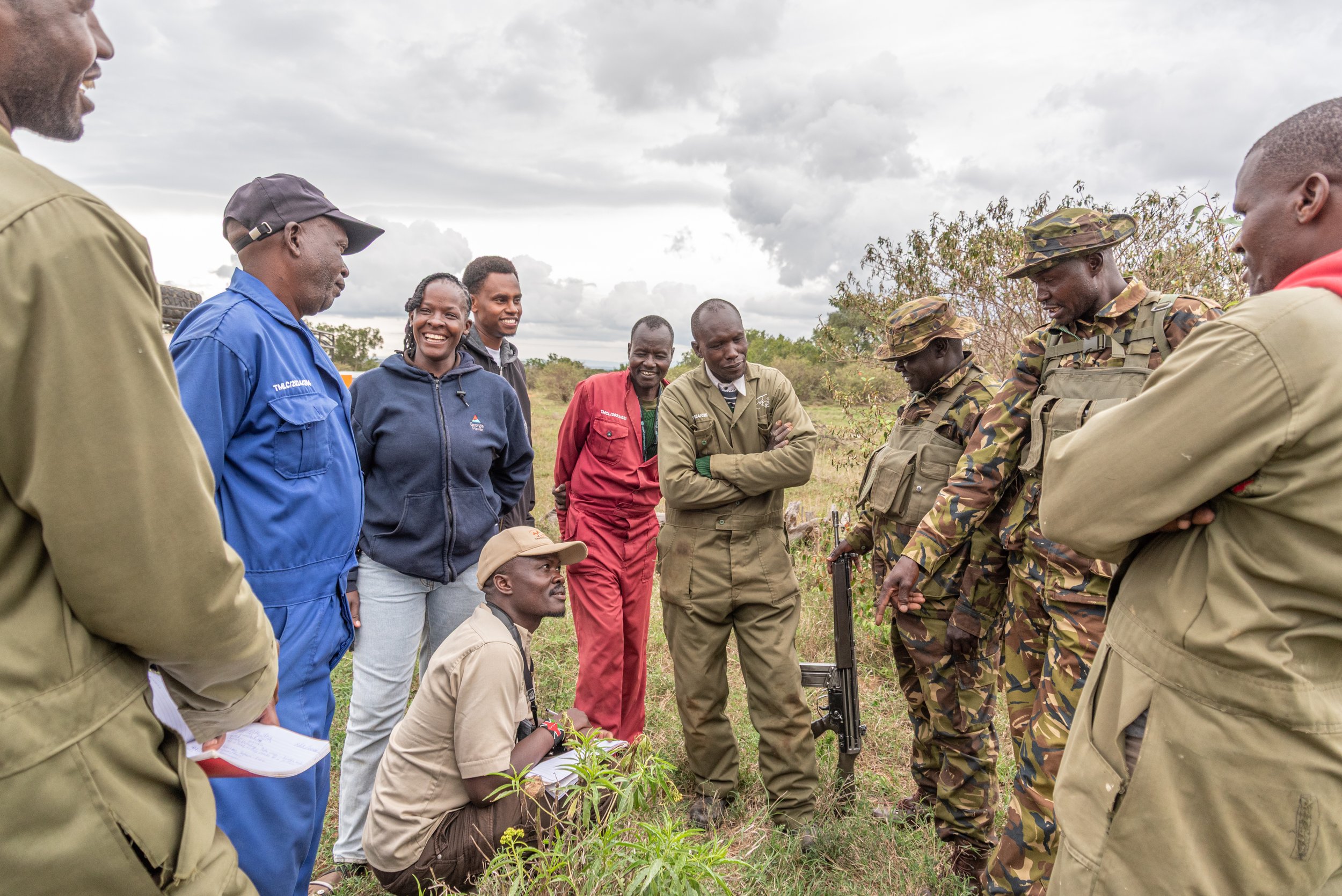
None of this runs without people on the ground. Members of Mugie's own community and conservation team serve as Eco Mentors, trained directly by CITW to lead these clubs and carry the programme forward.
Training of Trainer Programme
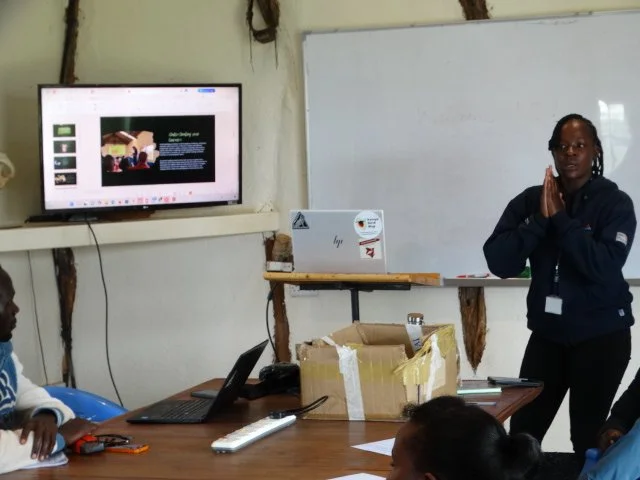
Launched in 2026, Mugie's Training of Trainer (ToT) programme was born out of a simple, honest problem: with limited funding and a small team, how do you support meaningful conservation education across many schools at once? The answer was to stop trying to reach every classroom directly and instead reach the teachers who could. This model also enables teachers and Mugie to develop school specific learning content while reaching more learners sustainably.
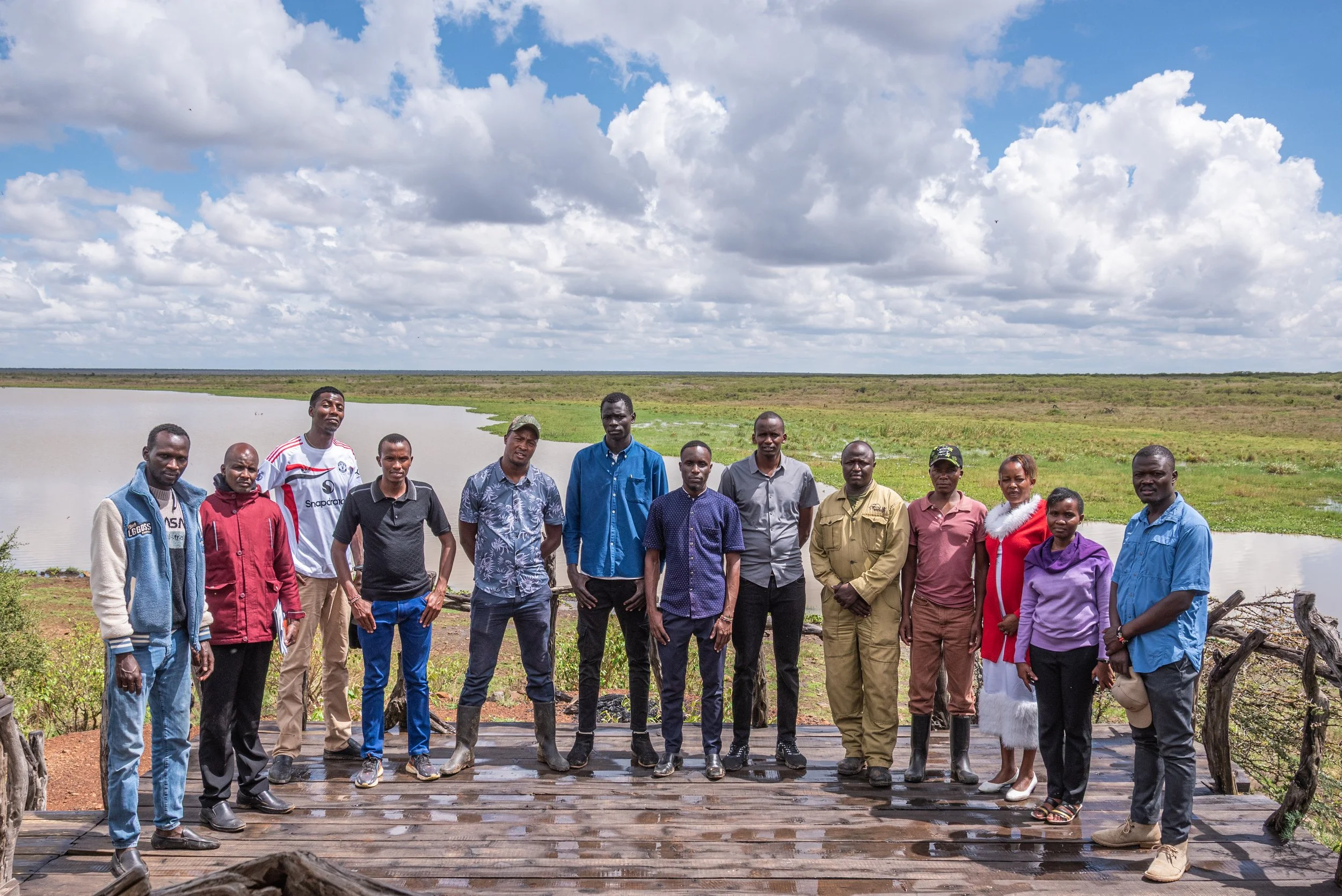
Quarterly, teachers from six schools across Mugie's community zones come together to learn from Mugie's conservation and community teams and just as importantly from each other. Support doesn't stop when the session ends as a WhatsApp group keeps the conversation going year-round, alongside follow-up visits to schools between sessions.
The results are already visible. Since the very first ToT session:
• 130 learners and teachers exposed to wildlife first-hand through the benchmarking game drive.
• 4 school kitchen gardens established or harvested, directly supplementing school feeding programmes.
• Cross-community peace building furthered through joint Lorroki-Louniek learner engagement.
Twelve teachers have taken part so far, each one capable of inspiring, guiding and supporting hundreds of students in turn. It's a model built on the same idea as so much of Mugie's community work: teach one person well and the knowledge keeps moving long after you've left the room.
Roots & Remedies
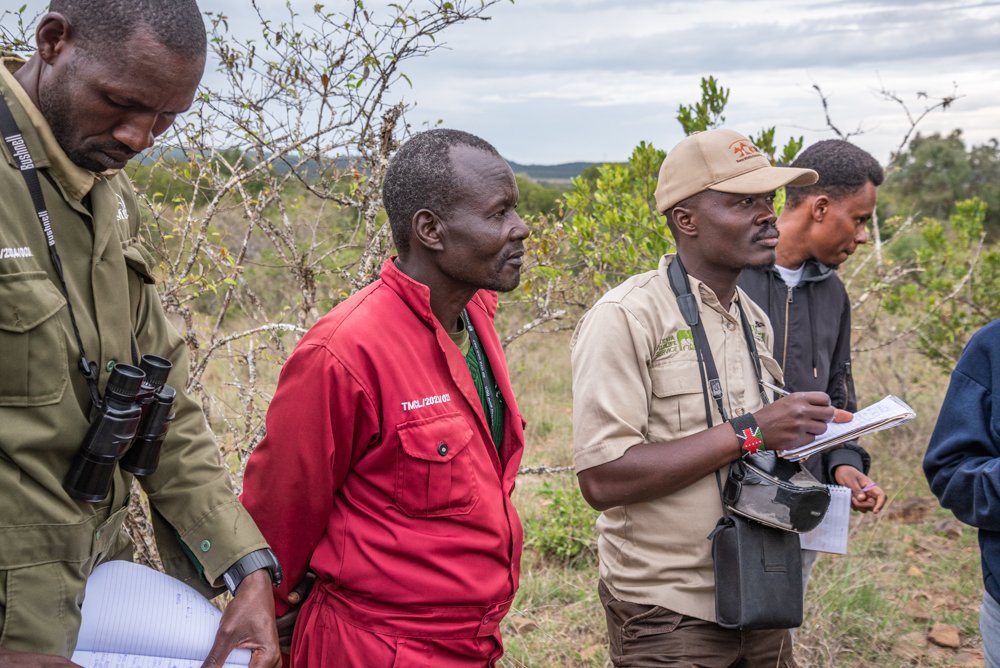
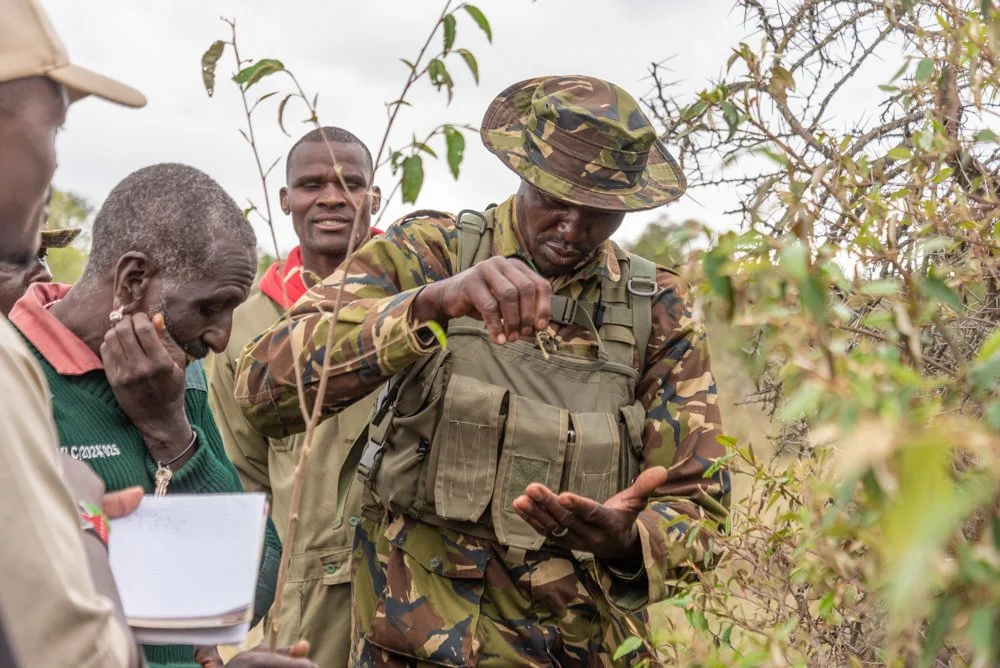
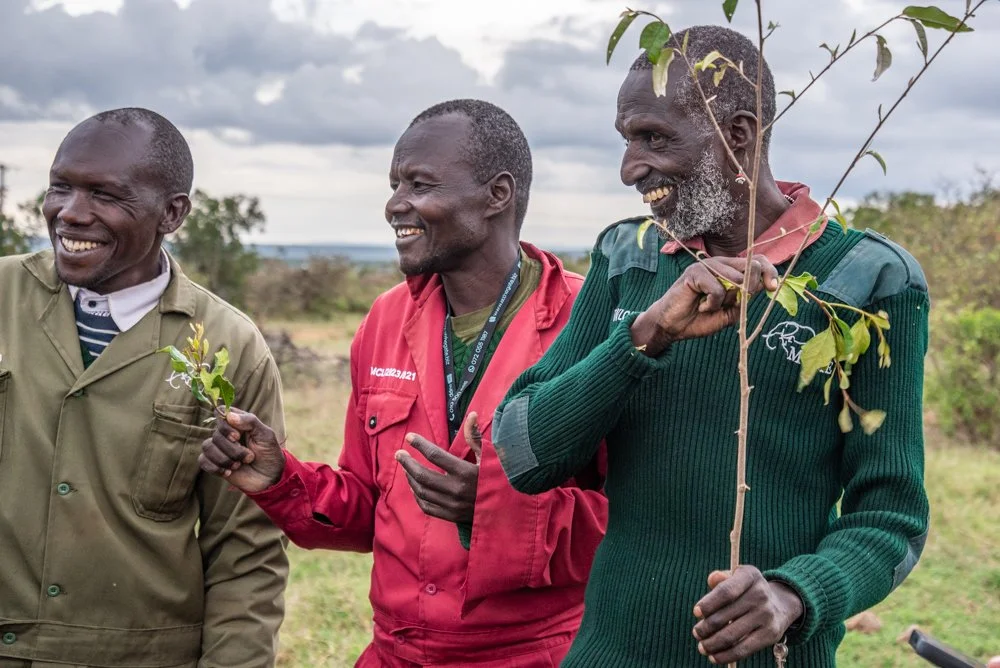
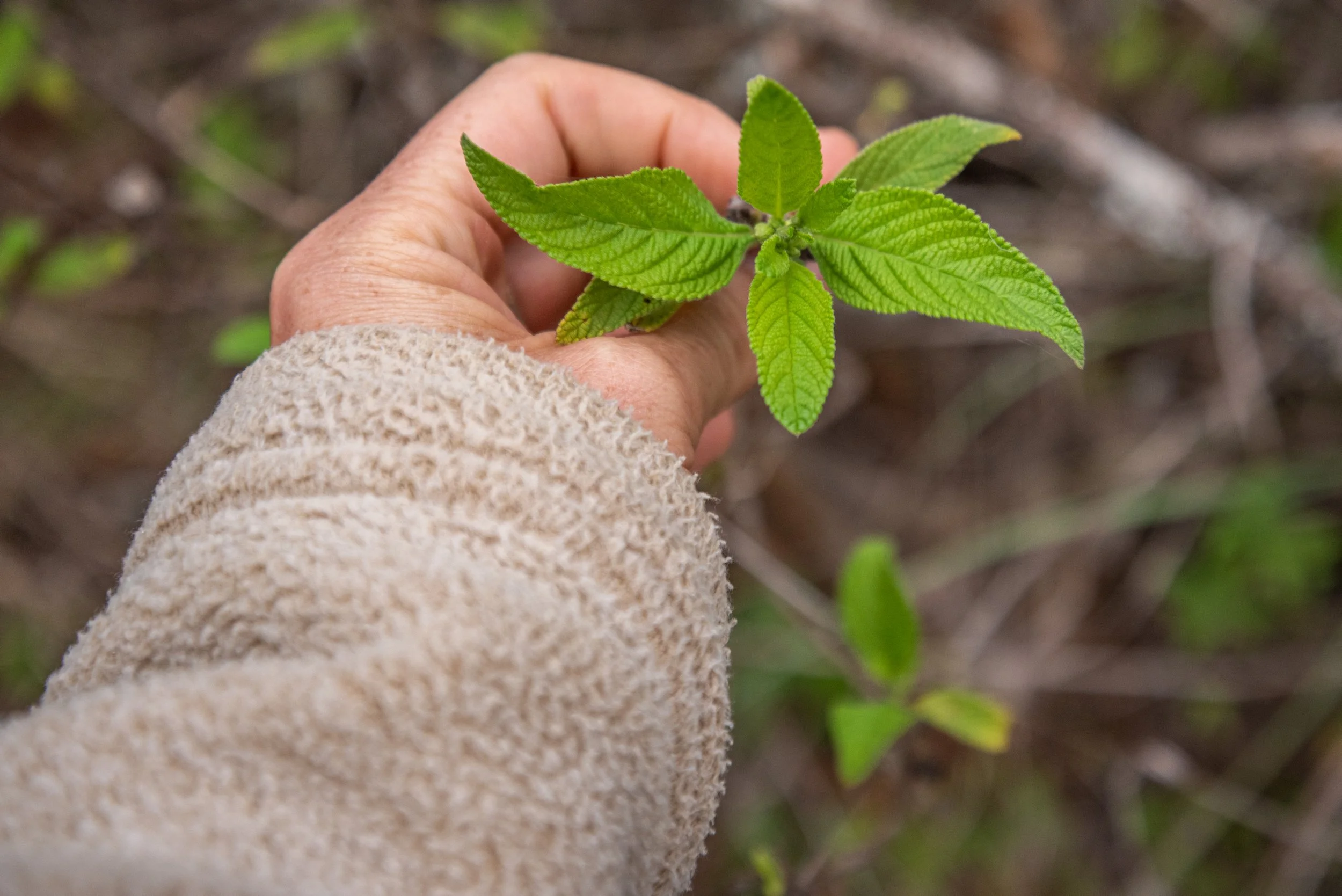
Some of Mugie's richest conservation knowledge isn't found in a classroom at all, it lives in the memories of the people who've walked this land the longest. The Roots & Remedies walk brings together Mugie team members from different backgrounds and communities to share the traditional uses, stories and remedies tied to the plants and trees growing across the conservancy. These walks are more than a nice afternoon out. They're the foundation of something new: Mugie's own plant catalogue, slowly being built page by page from stories that might otherwise never have been written down. It's a reminder that conservation education runs both ways. That Mugie's team has as much to share with the rest of us as we sometimes hope to share with the community around us.